THE POWER OF WOOD – The future. Innovation. High-tech timber.
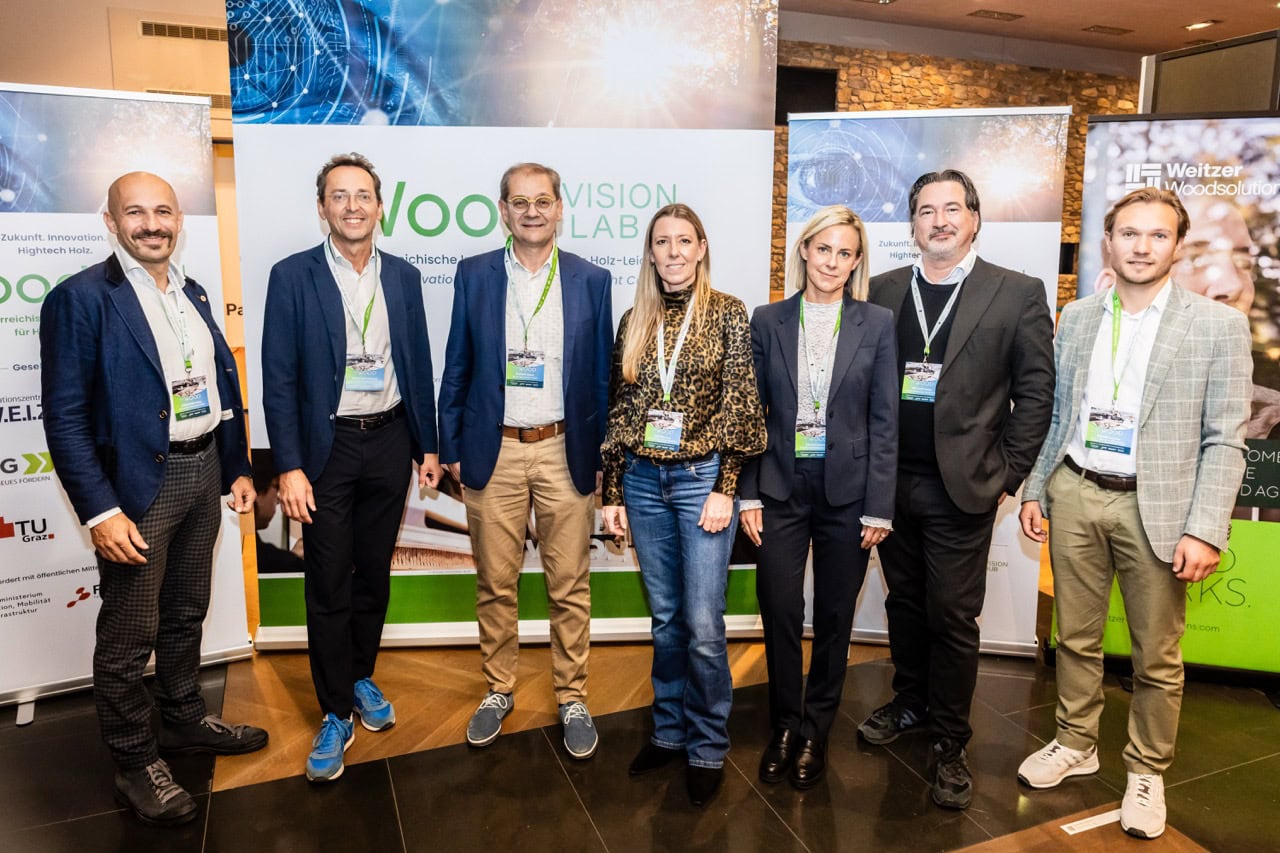
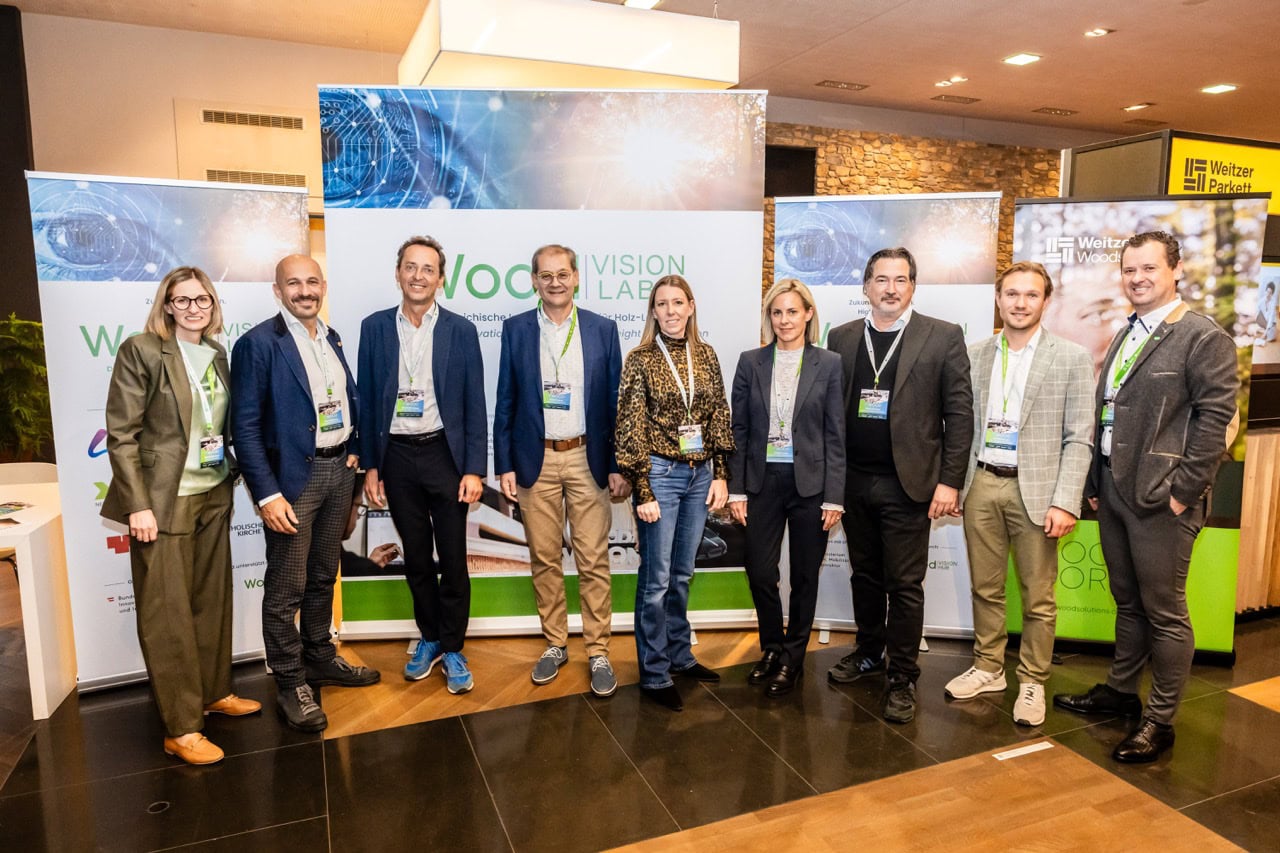
Wood is far more than just a building material. As a renewable raw material, a CO₂ sink and a high-performance lightweight construction material, it opens up entirely new prospects for mobility, industry, energy and logistics solutions. The event ‘THE POWER OF WOOD – Future. Innovation. High-tech Wood”, taking place on 21 October 2026 at Weitzer Woodsolutions’ Holzwelten in Weiz, the Wood Vision Lab will highlight the innovative potential of wood and bio-based materials, and the opportunities this presents for Styria as a centre of business and technology. The importance of this event is underlined by the participation of Provincial Councillor Willibald Ehrenhöfer.
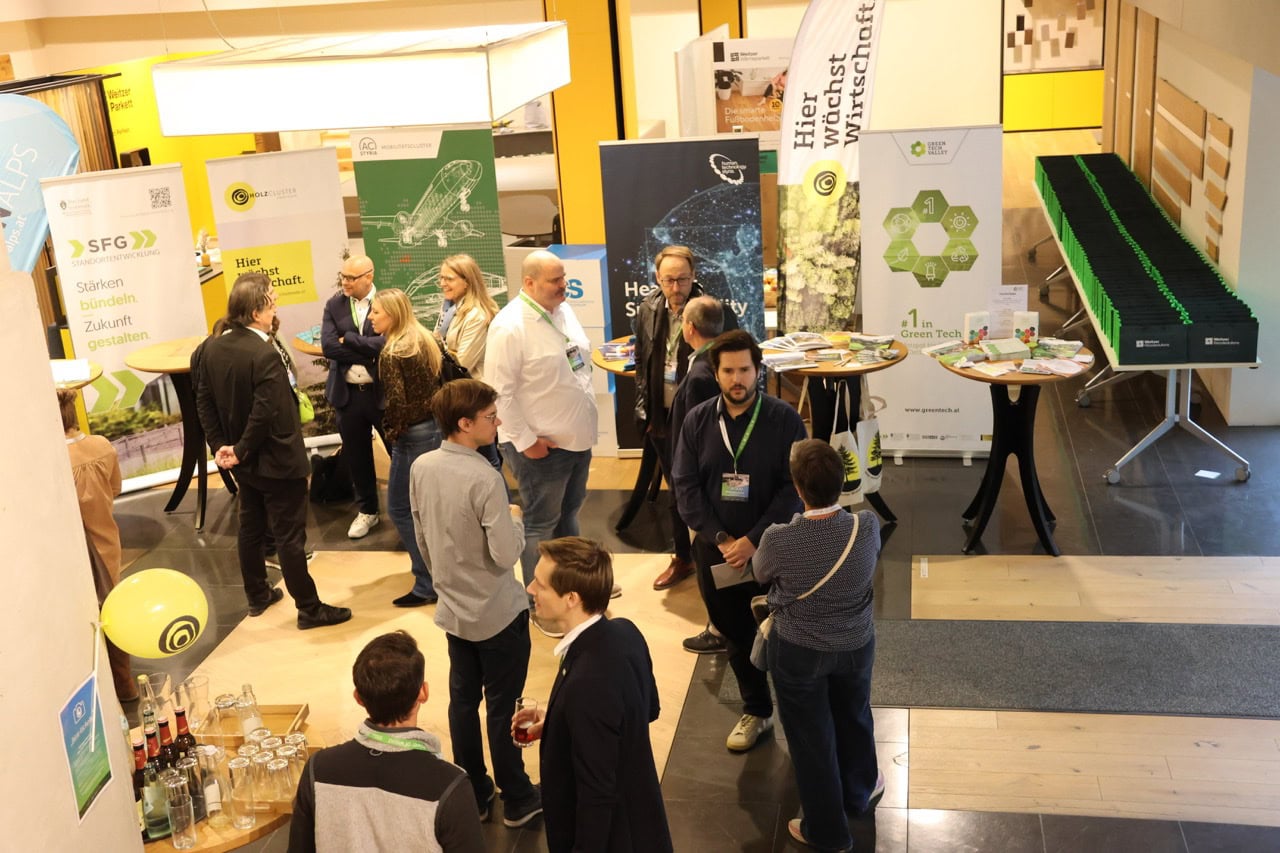
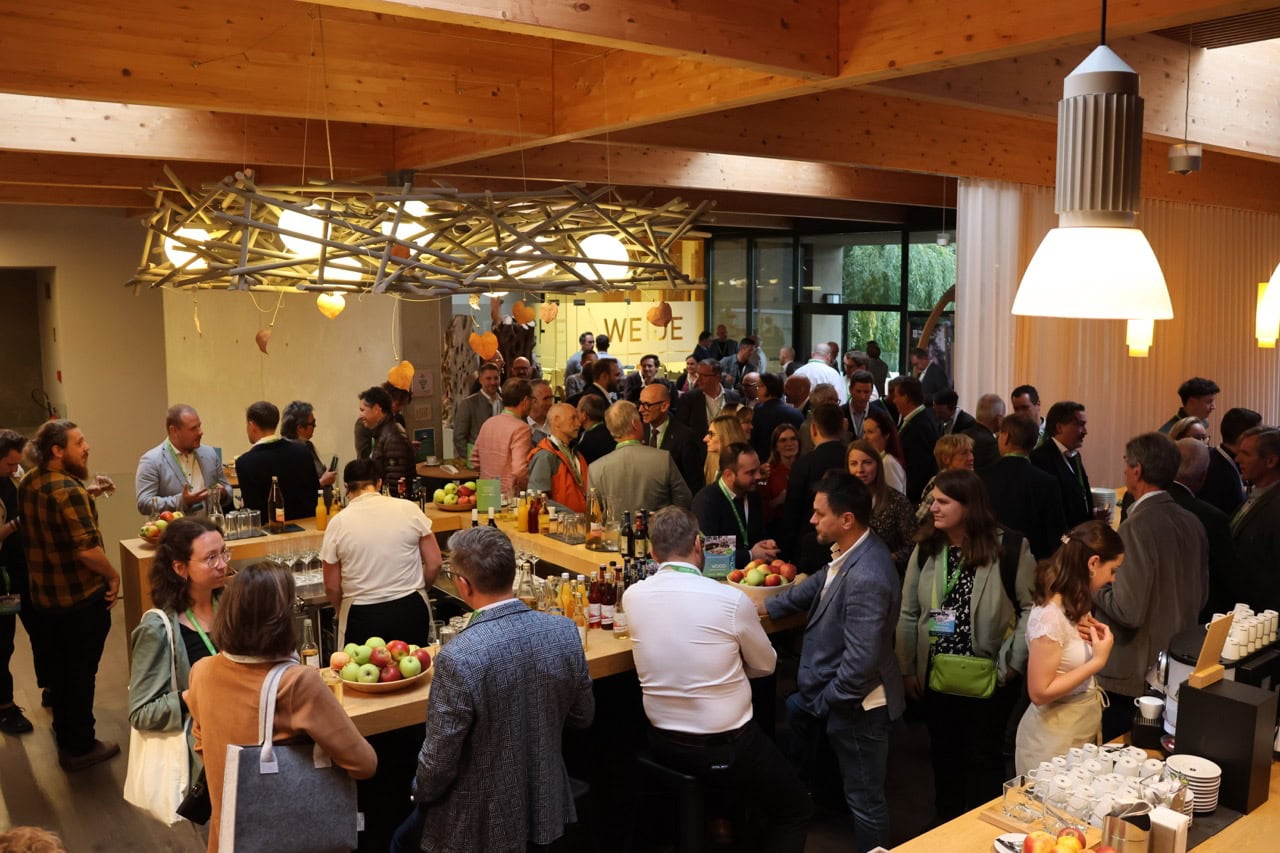
The event brings together representatives from business, research, industry, politics and the Styrian cluster landscape to discuss new applications, successful case studies and the future role of wood as a high-tech material. The focus is on how innovative ideas can be turned into marketable solutions and the importance of collaboration for the transition to a sustainable and competitive economy.
Wood Vision Lab: A ‘one-stop shop’ for high-tech wood and bio-based innovations
The Wood Vision Lab in Weiz is far more than just a research centre. It is a pioneering centre in Styria – a one-stop shop for timber and timber-hybrid materials in lightweight construction – and brings together research, development, a technical centre, an accelerator, knowledge transfer, networking, and business model and product development under one roof. The aim is to support companies throughout the entire innovation chain, from the initial idea through to industrial implementation.
This is underpinned by more than ten years of research and development work in the field of wood-based lightweight construction. Numerous demonstrators and pilot projects are already demonstrating the potential of wood as a material in high-tech applications. In the ‘Wood C.A.R.’ project, for example, the first material charts for beech wood were developed, digital twins for wood-based components were created, and demonstrators such as a side-impact beam made of wood instead of steel were produced. Further developments range from gondola components, via cladding elements and battery trays, to applications in logistics and energy technology. Based on this research, new solutions are emerging for sectors that have not previously regarded wood as a high-tech material.
From research to industrial application
Many innovative ideas falter when it comes to bridging the gap between research and the market. This is precisely where the Wood Vision Lab comes in. As a European-focused innovation hub, it supports companies in developing and implementing new products, services and business models centred on the forward-looking field of ‘wood in high-tech applications’.
With the new building currently under construction in Weiz, this vision will also become a physical reality from autumn 2027. Spanning more than 2,000 square metres, the building combines office space, a modern networking area, event and multimedia rooms, and a technical centre with integrated research and development infrastructure. Companies, start-ups, research institutions and cooperation partners will thus gain access to state-of-the-art infrastructure and a unique innovation ecosystem.
The guiding principle of the future accelerator’s operations is:
‘Space for ecological cooperation and transformation.’
The focus is not on letting space, but on the targeted promotion of collaboration, knowledge-building and joint innovation development. Through physical proximity, interdisciplinary exchange and access to strong networks, new ideas are to be brought to market more quickly.
The Power of Networking
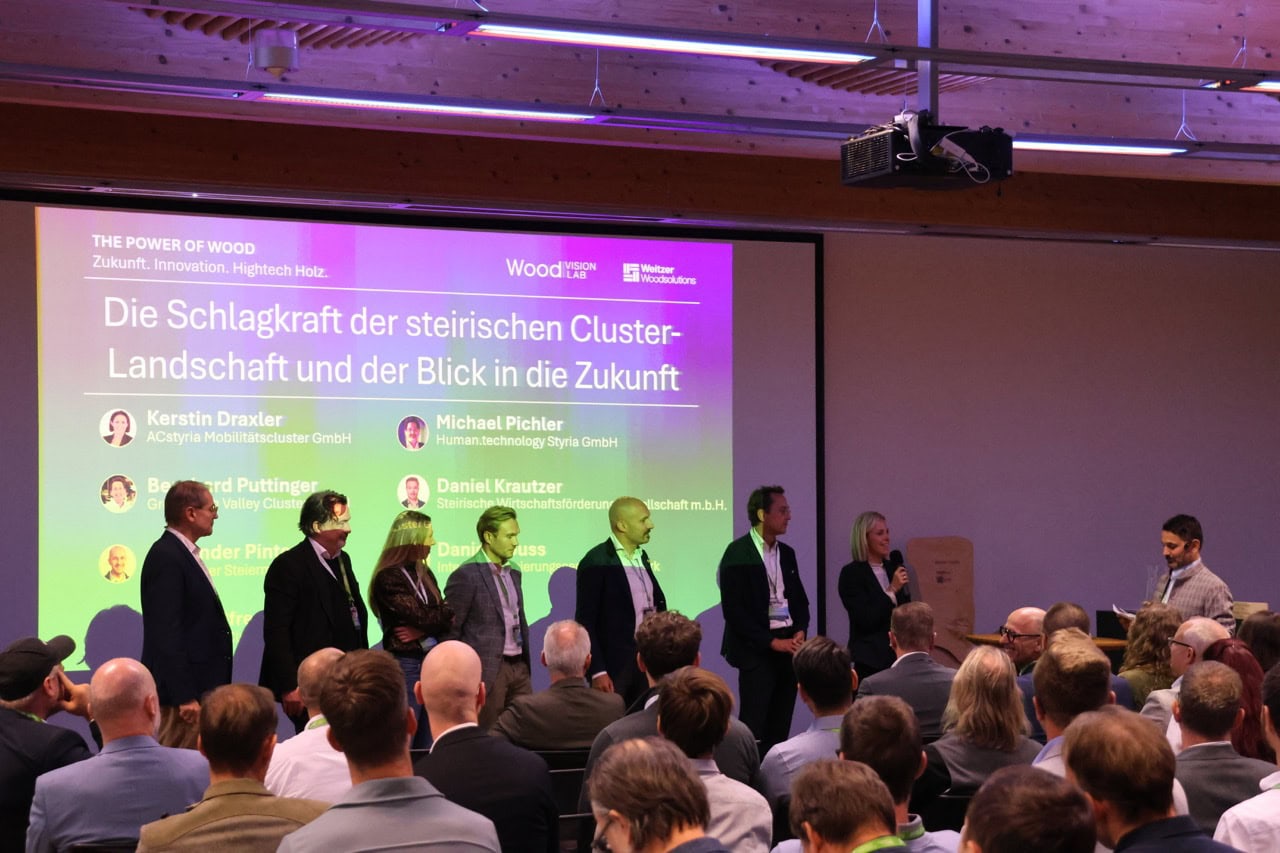
A key theme of THE POWER OF WOOD event is the importance of collaboration for innovation and transformation. Representatives from leading Styrian cluster organisations will take part in a speed talk to discuss how networked ecosystems can strengthen a region’s competitiveness and innovative capacity. Participants include the Styrian Wood Cluster, the ACstyria Mobility Cluster, Green Tech Valley, Human.technology Styria, Silicon Alps, the Styrian Internationalisation Centre (ICS) and the SFG with the Creative Styria.
Christiane Varga’s keynote speech is entitled ‘The future grows where new things are connected: Wood, innovation and the power of networking’ and underlines the event’s central message: the major challenges of our time cannot be solved in isolation. The future emerges where industries, disciplines and areas of expertise are brought together.
Practical examples illustrate industrial reality
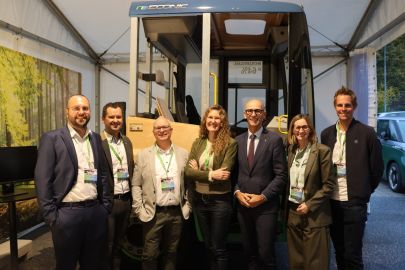
Renowned industry partners such as Siemens Mobility, Daimler Truck and FB Industry Automation demonstrate that wood has long since become more than just a traditional material. Their practical examples make it clear that wood-hybrid solutions are already being used today in mobility, rail transport and logistics, and provide concrete answers to challenges such as lightweight construction, decarbonisation, the circular economy, resource efficiency and cost-effectiveness.
The message is clear: wood is not a vision. Wood is an industrial reality. Wood is evolving into a high-performance, high-tech material that combines technical performance with climate protection, regional value creation and economic competitiveness.
Contributing to the resource, mobility and energy transitions
The establishment of the Wood Vision Lab is creating a new centre of research and excellence in Styria that extends far beyond the traditional timber industry. It combines regional resources with national and European innovative strength and makes a concrete contribution to the resource, mobility and energy transitions. At the same time, it promotes the use of local hardwoods, creates new value chains and opens up opportunities for businesses across a wide range of sectors.
THE POWER OF WOOD demonstrates that the future of wood as a material lies not solely in traditional construction. It emerges where research, industry and innovation come together to break new ground and envisage wood as a key material for the technologies of tomorrow.